Providenciales Catamaran Tours
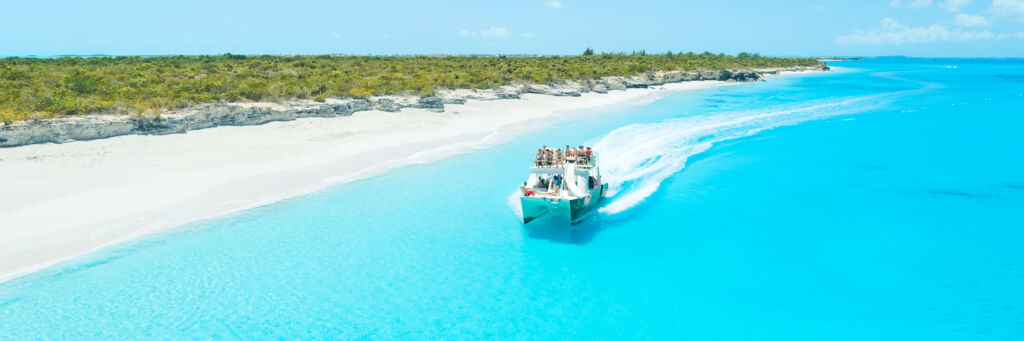
A catamaran boat excursion is the single most popular activity on a Turks and Caicos vacation, and there are some fun options to choose from. This category of cruise is aboard a mid-sized or large stable boat, which may be either a powerboat or a sailboat.
All of the shared catamaran cruises, including those by Sun Charters, Caribbean Cruisin’, Ocean Vibes, Island Vibes, Caicos Dream Tours, Lady Grace, and Caicos Island Tours, are all-inclusive with drinks and snacks. On the longer excursions, typically the 5-hour or full-day trips, a full lunch is also included.
Half-day, full-day, and sunset cruises are typically the excursion durations available. For those interested in having a boat to themselves, see private cruises. Many of the same vessels used for the public trips can be booked for private charters.
The Vessels
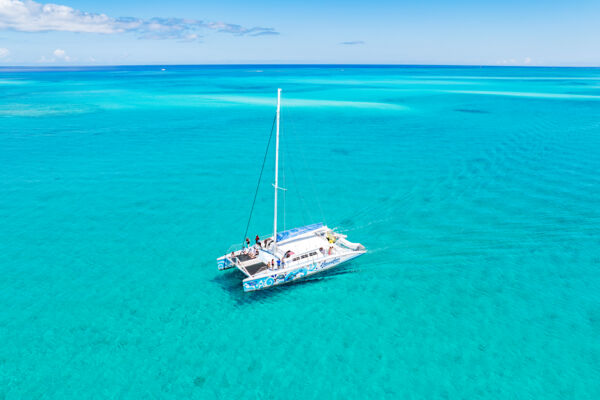
For public half-day and full-day charters, there are essentially three types of vessels used: smaller power catamarans in the 35-45' range that are suitable for 30-40 guests, larger 50-65' powerboats that can carry 60-80 passengers, and large 50-65' sailboats that can carry 50-75 passengers.
So what is the best vessel? The foremost consideration is shade. For the day cruises, ample shade is critical, and when boarding the vessel, choose your spot accordingly. Some of the power catamarans can be a bit sterile in design, with little more than rows of benches and maybe a slide that drops into the ocean. Other boats have more varied lounging spaces, such as the sailing catamarans that have nets strung between the bow hulls, or the larger powerboats that have larger upper decks.
There are some unique vessels too, such as the Sun Charters' Atabeyra, which is a classic 77’ monohull schooner that offers a bit more character than the average boat. It’s also been in operation longer than any other shared cruise in the country.
The catamarans used for shared cruises have a bow ladder or stairs, and it is usually easy for most people to board the boat when it's beached. In calm conditions, there's usually less than a foot of water (or none) that may have to be waded to board. When offshore, such as at snorkel sites, a stern ladder typically provides access to the boat from the water.
All vessels in this shared catamaran category have a restroom (marine head), but these facilities will typically be found to be a bit lacking both in performance and size compared to the residential norm. Many of the toilets use a hand pump to cycle rather than the traditional flushing action, and such systems can’t accept paper products, which must be discarded separately. The more luxurious and larger boats have better restrooms, yet they are still cramped.
Sailboat, or Powerboat?
In the case of shared excursions, there’s less of a difference than may be initially expected in the experience. All sailing catamarans have inboard engines, and rely on them for most of the trip. A sailboat can be a more tranquil experience, but the powerboats will usually do more stops and cover more ground as they are faster. However, a sailboat is generally the preferred option for sunset cruises.
The Destinations and Activities
Barring poor weather, the catamaran cruises that operate from Providenciales all tend to visit the same general locations. The typical schedule starts with guest pickups, which for those that don’t join at the starting marina (typically either Turtle Cove or Blue Haven) occurs across several spots along Grace Bay Beach. For guests not staying on Grace Bay, pickup will typically happen from one of the beach access landing points, such as at the Children's Park access on the Bight Beach, at the Rotary Park beach access adjacent to Sibonné Beach Hotel, or the access next to Rickie’s restaurant. There is free public parking at these sites.
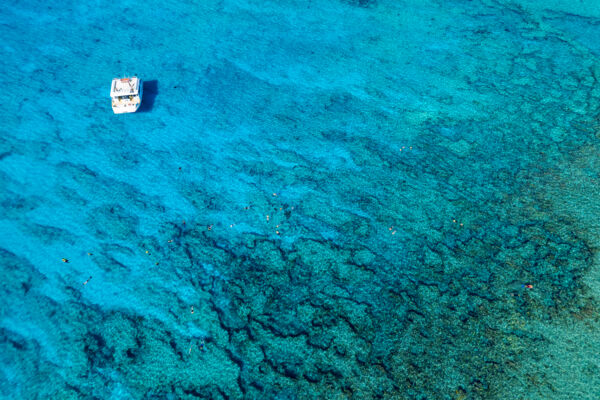
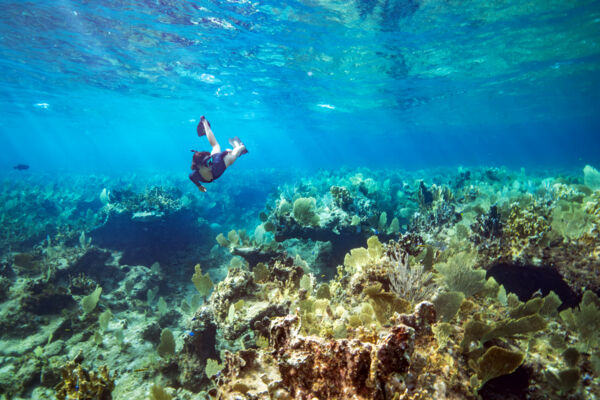
There can be some juggling of the day’s stops according to the tide, weather, and boat congestion, yet most tours begin with a snorkeling stop, either at a barrier reef location such as Leeward Reef, or one of the interior bay reefs off the Bight Beach, Babalua Beach, or Smith’s Reef. The main snorkel stop is usually first, as companies want to do that before any guests partake too heavily.
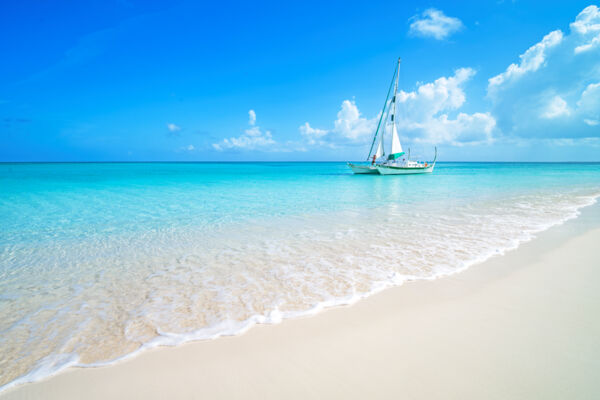
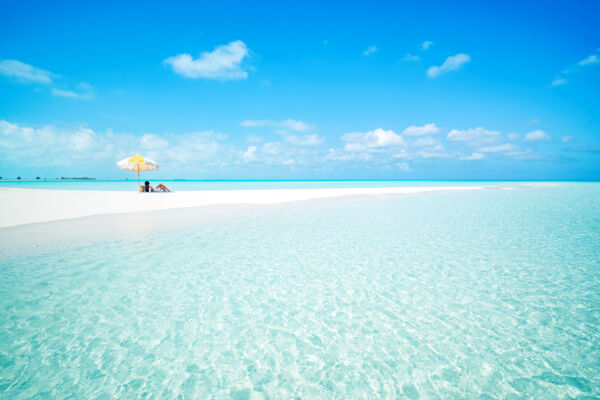
Next up is often a beach. If wave and wind conditions are good, the sandbars at Sand Dollar Cove, Fort George Cay, and Pine Cay are popular. This area is one of the most beautiful spots in the Turks and Caicos, and the white sand and shallows slowly shift over time, so there may be a single long meandering sand spit, or multiple small emergent sandbars.
A shady beach spot for lunch typically follows on vessels that do a beach barbecue. This may be at the eastern channel beach on Fort George Cay, at the Water Cay beach, or in the lagoon at Half Moon Bay. At Half Moon Bay and Little Water Cay, the Turks and Caicos Islands rock iguana is a common sight. These interesting and docile large lizards are found only in these islands, and nowhere else.
There is a bit of leeway with destinations, and the crew will gauge the crowd. Spots such as the La Famille Express shipwreck, or the floating Noah’s Ark tiki bar may be visited if everyone’s agreeable. Likewise, if there’s a large ocean swell which makes the north coasts and bays too rough, then boats may not even go into the northern bays off Providenciales and the Caicos Cays, and rather stay on the southern side at Half Moon Bay Lagoon, the channels between Mangrove Cay, Donna Cay, and Water Cay, and the La Famille Express shipwreck.
In the final hour or two of the full-day excursions it’s common to do some tubing, or simply stop at a tranquil spot in a bay and swim or use the slide.
No two trips are alike, and sightings vary too. Sometimes there’s even an encounter with JoJo the Dolphin, Dreamer, or one of the other local dolphin residents.
Sunset Cruises
Sunset and glowworm cruises, typically 2-4 hours in duration, are a highly recommended experience. Many are adult-only, and the crew attempts to create a lively atmosphere. Glowworm cruises, which happen a few days after a full moon, are an incredible experience, as glowing Bermuda fireworms light up the water like stars for a few minutes.
Sunset cruises typically do not include beach stops (other than guest pickups) or snorkeling.
Food, Drinks, and Amenities
Shared cruises, including the half-day, full-day, and sunset trips, provide all-inclusive drinks and food. The drink selection is typically sodas, water, and a selection of alcoholic drinks. I Soon Reach, the local light beer, and a rum punch that is brewed up by the crew are ubiquitous. There’s usually also the local lager, IPA, and a range of different carbonated vodka, rum, and gin beverages. Some cruises have wine, champagne, or even a stocked bar for creating mixed drinks.
The food and snack options do vary quite a bit between cruises. The more budget-oriented trips have sandwiches, little bags of chips and snacks, and maybe a deli or fruit platter. The pricier cruises have more selection, including hot foods and charcuterie. A beach barbecue is offered by a few companies on their full-day trips, and will typically have ribs, chicken, corn on the cob, and maybe local spiny lobster grilled on a charcoal grill.
Conch salad (a conch ceviche made from uncooked queen conch) is sometimes served, but is becoming less common due to the giant sea snail being overfished in the Turks and Caicos.
Prices and Booking
A shared half-day cruise, which typically includes snorkeling and a stop at a beach at a location such as Little Water Cay or Half Moon Bay, costs about $120-130 on most vessels, and about $210 on the more premium boats. A full-day excursion costs $200-250, and sunset cruises are about $90-150.
The Turks and Caicos is generally a very expensive destination, but the shared cruises are generally a good value, as food and bottomless drinks are included.
It’s best to book directly with local companies. Companies such as Viator and third-party booking companies not based in the Turks and Caicos strive to obfuscate what companies they are selling tours from, and try to commoditize products, so it may not be clear what company you are sailing with.
Local tour companies appreciate saving the 15-20% that would otherwise go to offshore agents, and are often more willing to accommodate changes and special requests with customers who book direct. Cancellations and changes due to weather are also better communicated with direct bookings.
Availability can be very limited during the high season. It always makes sense to book in advance, but especially so during the peak busy season, which is around the winter and spring holidays, and around spring break. The weather forecast isn’t reliable more than 4-6 days out in the Turks and Caicos, which doesn’t leave much leeway with last-minute bookings.
Shared boat trips have to consider all guests, so typically won’t wait for late arrivals. Arrive at least 10 minutes early. For beach pickups on Grace Bay Beach or the Bight Beach, guests should be waiting on the beach itself, and not in adjacent hotel properties or parking lots.
Cancellations
Shared charters in the Turks and Caicos usually have a very forgiving cancellation policy, and it’s common to have a full refund if a cancellation is made up to 24 hours prior to the trip.
In the case of cancellations due to weather, a full refund is provided, even if within an hour or two of the planned sailing time. In such situations, companies will strive to rebook for another day if guests so desire.
Those that do not show up at their pickup location will not usually receive a refund.
What To Bring
Reef-safe sunscreen—a mineral-based high SPF works far better than the spray type.
Rashguard with long sleeves—sun overexposure is typically noticed after it’s too late. Actual cover always works better than sunscreen.
A hat—in line with the common theme, you’ll want to be protected against the sun. If the hat has a large brim and is likely to be caught by the wind, make sure it has a chin strap. Captains tend to get fussy if they have to turn the boat back to recover a hat, if they're willing to do so at all. A buff or neck gaiter is also a good idea.
Sunglasses—polarized lenses are best and reduce surface reflections on the ocean and make it much easier to see into the water. Sunglasses are easily lost, so don’t bring expensive ones.
Towels—boats typically do not provide any.
Snorkel mask and fins—Boats do provide snorkel masks and fins, but guests are welcome to bring their own. Those that have their own are advised to bring them (unless they are full face masks!). If you're looking to buy, Dive Provo has a great selection and staff that are knowledgeable. Boats do have snorkel vests and flotation belts.
What not to bring—unnecessary valuables. It’s common to lose jewelry (the barracudas also like jewelry), and once lost in the water or sand, the chances of recovery are hopeless. The ocean is very rough on electronics. There’s a lot to take pictures of, but you’ll want dry storage such as a high-quality dry bag or Pelican-style case to protect the gear in. If you’d like to take underwater photos, a GoPro is the easy option. The soft housings and “waterproof” covers for cameras tend to be a very risky experiment. There’s a reason that proper dive housings for cameras are very expensive.
Some public cruises also do not want guests to bring their own alcohol, but policies vary between companies. Private cruises typically do not have this limitation.